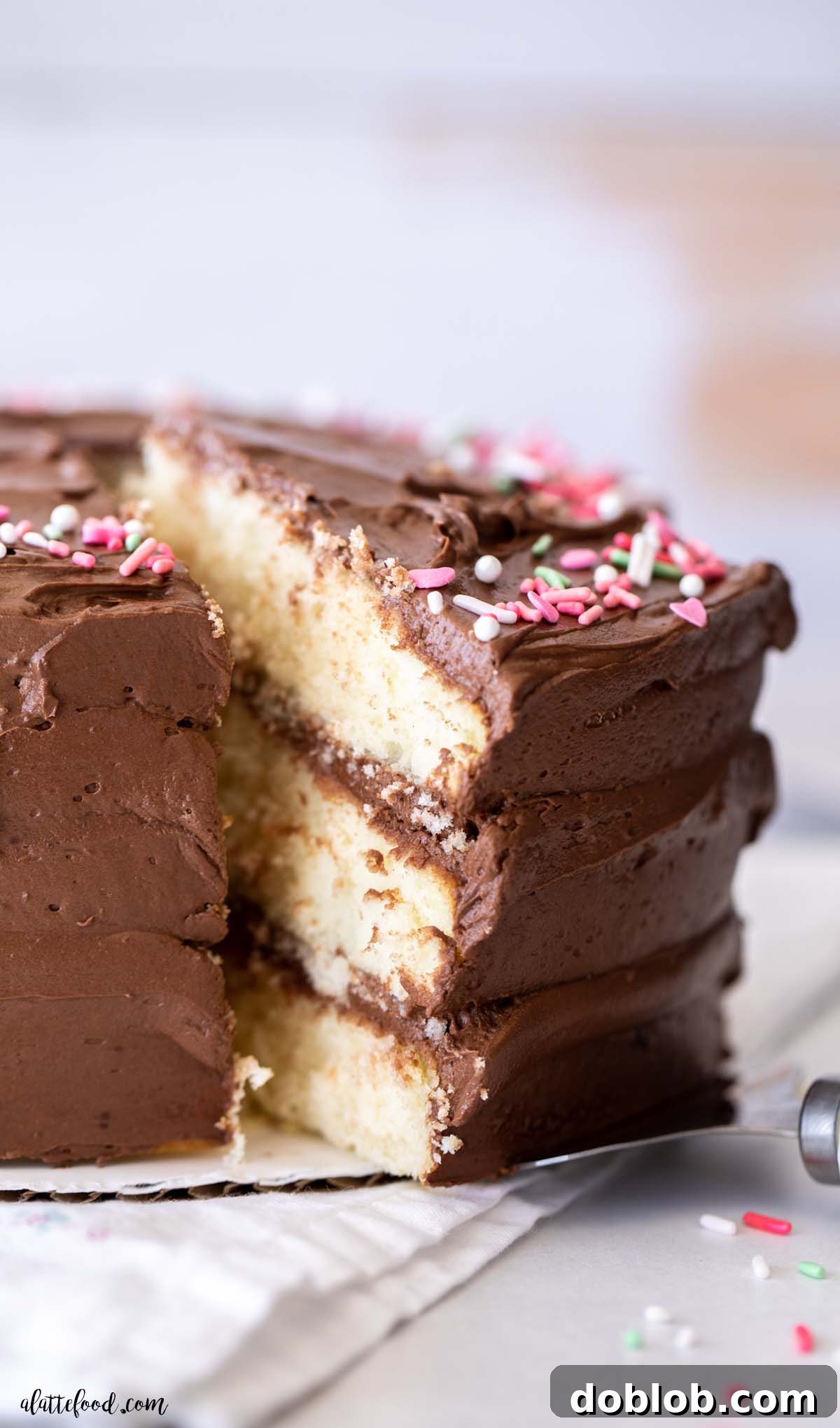
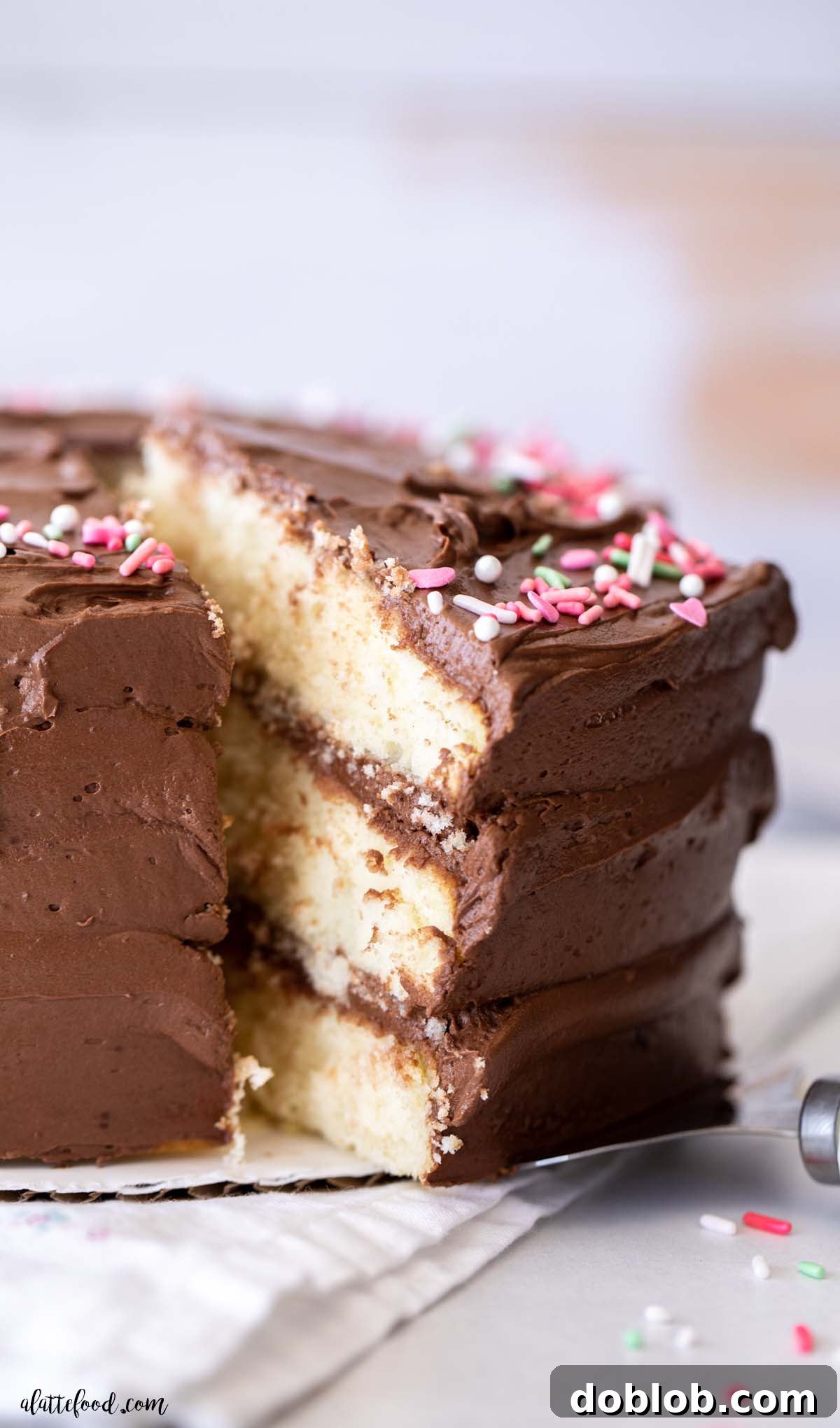
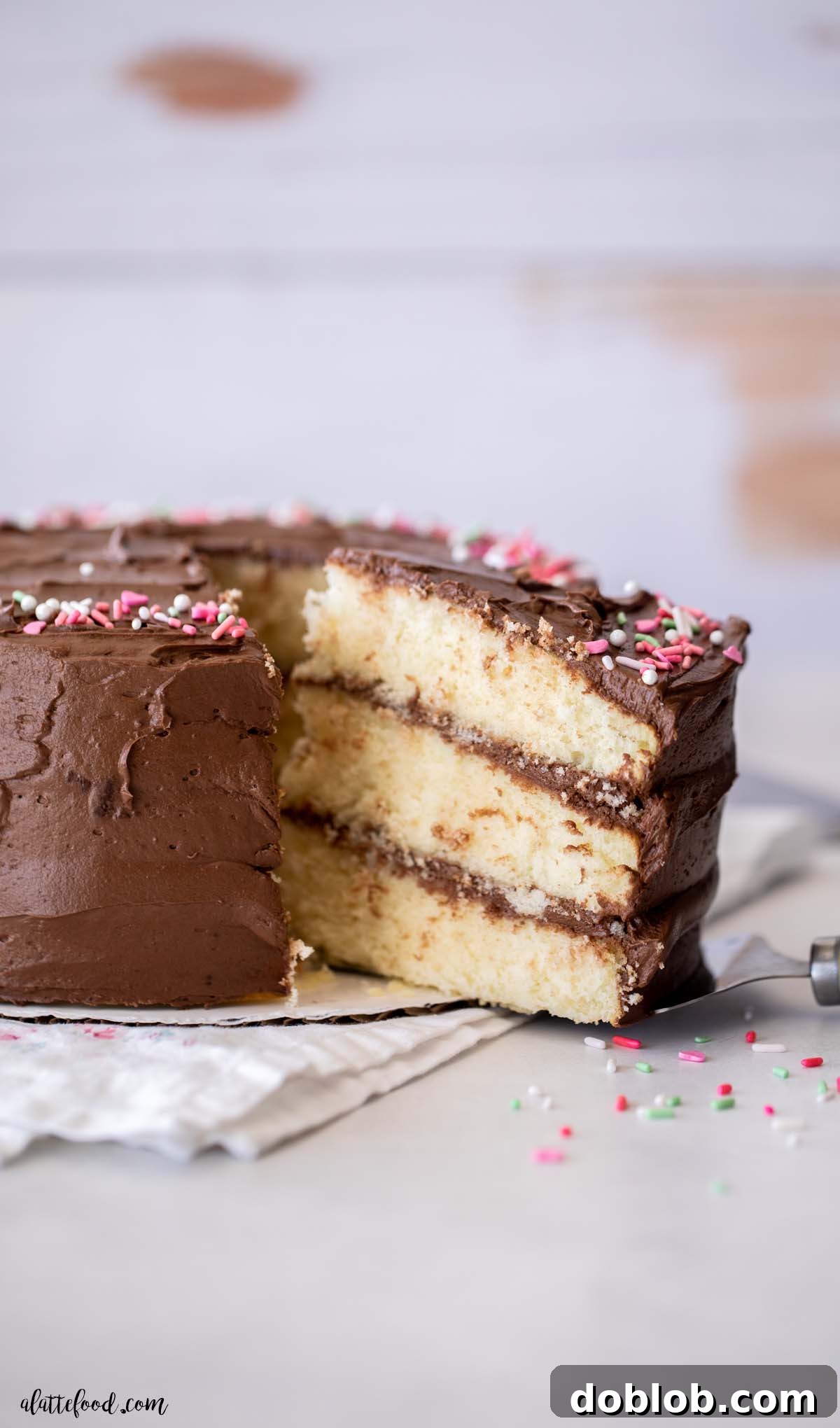
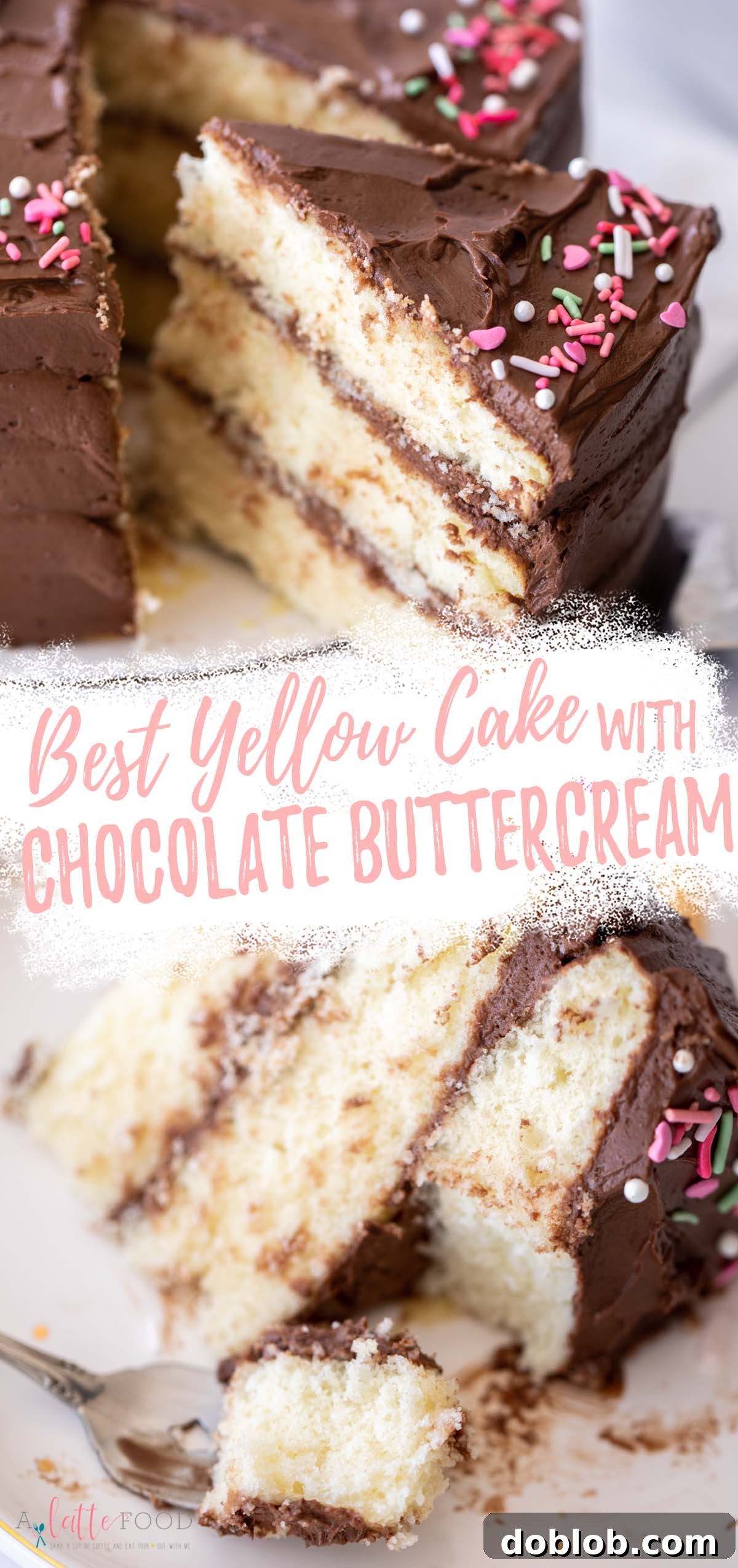
There’s something undeniably magical about a classic yellow cake, especially when it’s crowned with a rich, creamy chocolate frosting. This isn’t just any dessert; it’s a timeless masterpiece, a culinary hug that brings back cherished memories and creates new ones. Our homemade Yellow Cake with Chocolate Frosting is designed to be the ultimate celebration cake, offering a perfect blend of tender crumb, buttery sweetness, and a deeply satisfying chocolate experience that elevates every occasion.
For those who appreciate the artistry of a truly exceptional homemade cake, this recipe will undoubtedly become a treasured favorite. Its light, airy texture and profound flavor make it ideal for birthdays, holidays, or simply as a comforting treat. If you find yourself captivated by this classic, you might also enjoy exploring other delightful creations such as our Strawberry Funfetti Cake, the elegant Berry Vanilla Naked Cake, or the bright and zesty Lemon Coconut Cake.
The Quintessential Yellow Cake: Your Go-To for Every Celebration
In a world of evolving culinary trends, sometimes all we truly crave is the comforting embrace of a classic. Traditional recipes possess a unique ability to evoke nostalgia, transporting us back to simpler times filled with warmth and sweet memories. For many, a yellow cake adorned with chocolate frosting and a generous scattering of sprinkles is more than just a dessert; it’s a symbol of childhood joy, family gatherings, and countless moments shared. It reminds me of youthful days spent in the kitchen, baking alongside my mom, a cherished ritual that always revolved around special occasions.
While baking from scratch wasn’t an everyday occurrence in our home, birthday cakes and cupcakes were a sacred tradition, meticulously prepared for each family member. The yellow cake always emerged as the undisputed family favorite. Even today, despite its seemingly basic flavor profile, it remains my top choice for a classic birthday cake and one of my most beloved desserts. This enduring appeal speaks volumes about its inherent perfection.
After much dedication and countless trials, I am thrilled to share what I consider the perfected yellow cake recipe, complete with an incredibly rich chocolate buttercream frosting. This isn’t just another cake; it’s a triumph of texture and flavor—exceptionally fluffy, wonderfully moist with a tender crumb, and imbued with that unmistakable, classic yellow cake taste we all adore. Best of all, it achieves this sublime result entirely from scratch, no box mixes or canned frostings required!
What Makes This Frosted Yellow Layer Cake Unbeatable: Four Key Aspects
- Effortless Elegance with Simple Ingredients: The idea of baking a cake entirely from scratch can often seem daunting, but this homemade yellow cake recipe is surprisingly straightforward. It relies on fundamental ingredients you likely already have in your pantry, making it accessible for any baker. The result? A flavor profile that far surpasses any box cake mix, proving that simple doesn’t mean sacrificing sensational taste.
- Streamlined Baking – No Egg Separation Needed: While many intricate cake recipes call for the meticulous separation of egg yolks and whites to achieve specific textures, this particular yellow cake simplifies the process dramatically. There’s absolutely no need for this extra step, which means fewer bowls to clean and a quicker, more enjoyable baking experience without compromising on the cake’s light and fluffy structure.
- A Symphony of Texture: Light, Fluffy, and Exceptionally Moist: The secret to this cake’s incredible texture lies in its balanced use of key ingredients: butter, oil, and sour cream. Butter is essential for imparting that deeply rich, characteristic flavor. Oil, on the other hand, is the hero for moisture, ensuring every bite is tender and never dry. Sour cream adds an exquisite richness and a subtle tang that beautifully complements the sweetness. This thoughtful combination creates a cake that is the epitome of light, fluffy, and moist perfection.
- The Ultimate Indulgence: Rich and Creamy Chocolate Frosting: This chocolate buttercream recipe is a dream come true for frosting lovers. It’s so luxuriously rich and creamy that you might be tempted to eat it straight from the bowl! Yet, despite its decadence, it’s expertly balanced, avoiding excessive sweetness. This fudge-like chocolate frosting forms the perfect counterpoint to the moist yellow cake, creating a harmonious blend of flavors and textures that is truly irresistible.
Essential Ingredients for Your Fluffy Yellow Cake
Crafting the perfect yellow cake from scratch involves a thoughtful selection of ingredients, each playing a crucial role in achieving its signature flavor and tender texture. Here’s a breakdown of what you’ll need and why each component is important:
- Unsalted Butter: We opt for unsalted butter in our recipes to give us precise control over the overall salt content, allowing the pure buttery flavor to shine through.
- Canola Oil (or Vegetable Oil): While butter delivers exceptional flavor, oil is the secret to an incredibly moist cake. The combination ensures both rich taste and a beautifully tender crumb. Vegetable oil makes an excellent substitute if canola isn’t available.
- Granulated Sugar: Beyond sweetness, sugar contributes to the cake’s structure, moisture retention, and golden-brown crust.
- Eggs: Eggs bind the ingredients, add richness, moisture, and help with leavening, contributing to the cake’s light texture.
- Cake Flour: This is a game-changer for a truly light and tender cake. Its lower protein content results in a finer, softer crumb compared to all-purpose flour. While we strongly recommend cake flour, a simple substitution using all-purpose flour and cornstarch is provided in the recipe card for convenience.
- Baking Powder: Our primary leavening agent, baking powder ensures the cake rises beautifully, creating that desired fluffy texture.
- Salt: A small but mighty ingredient, salt enhances all the other flavors, balancing the sweetness and bringing out the true essence of the cake.
- Buttermilk: The acidity in buttermilk reacts with the baking powder, boosting leavening, and its fats contribute to a more tender and moist cake. If you don’t have buttermilk, a homemade substitute is easily made with regular milk and lemon juice or vinegar.
- Vanilla Extract: A staple in baking, vanilla extract provides a warm, comforting base flavor that is indispensable in any classic cake.
- Almond Extract: This is our secret ingredient! While optional, just a hint of almond extract profoundly enhances the classic yellow cake flavor, adding a subtle depth that beautifully rounds out the vanilla and butter notes. You can substitute with additional vanilla if preferred.
- Sour Cream: Adding sour cream infuses the cake with an unparalleled richness and moisture. Its slight tang also complements the sweetness, making the cake more complex and irresistible.
Crafting the Perfect Chocolate Buttercream Frosting
No yellow cake is complete without a luscious chocolate frosting. This recipe delivers a buttercream that is both rich and perfectly balanced in sweetness, making it the ideal accompaniment:
- Unsalted Butter: As with the cake, unsalted butter is crucial for a smooth, creamy frosting, allowing the chocolate to be the star. Ensure it’s at room temperature for optimal whipping.
- Cocoa Powder: The heart of our chocolate flavor. High-quality cocoa powder will make a noticeable difference in the depth and intensity of your frosting.
- Powdered Sugar: Also known as confectioners’ sugar, this fine sugar dissolves easily, creating a silky-smooth frosting texture without grittiness.
- Vanilla Extract: A touch of vanilla rounds out the chocolate flavor, adding complexity and warmth.
- Salt: Essential for cutting through the sweetness of the sugar and intensifying the chocolate notes. Don’t skip it; a pinch truly makes the chocolate sing!
- Espresso Powder (Optional): This magical ingredient doesn’t make your frosting taste like coffee; instead, it deepens and enhances the chocolate flavor, making it richer and more profound. A little goes a long way!
- Heavy Whipping Cream: This is what gives our buttercream its luxurious richness and ultra-creamy consistency. For a lighter alternative, milk can be used, though it will result in a slightly less decadent texture.
Mastering the Art of Homemade Yellow Cake: A Step-by-Step Guide
Baking a cake from scratch can be incredibly rewarding, and following these detailed steps will ensure your yellow cake is nothing short of perfection:
- The Importance of Room Temperature Ingredients: Before you even begin mixing, ensure your eggs, butter, buttermilk, and sour cream have all reached room temperature. This crucial step allows ingredients to emulsify and combine more effectively, resulting in a significantly lighter and fluffier cake with a superior texture. Plan ahead by taking them out of the refrigerator at least an hour before baking.
- Achieving the Perfect Cream: In the bowl of your stand mixer, or using a large mixing bowl and an electric hand mixer, begin by creaming together the softened butter and oil until the mixture becomes wonderfully light and fluffy. This aeration process is vital for the cake’s final texture. Gradually add the granulated sugar, continuing to beat until the mixture is pale and airy. Then, incorporate the eggs, one at a time, ensuring each egg is fully mixed in before adding the next. This prevents the batter from curdling and maintains a smooth consistency.
- Preparing Your Dry Ingredients: In a separate bowl, meticulously sift together the cake flour, baking powder, and salt. Sifting is not just for removing lumps; it also aerates the flour, which contributes to a lighter cake crumb. Don’t skip this simple but impactful step!
- Alternating for Optimal Texture: This is a critical technique to prevent overmixing and ensure a moist cake. Gently alternate adding the sifted dry ingredients and the buttermilk to your butter mixture. Always start and end with the dry ingredients. By adding small portions at a time and mixing *just* until combined after each addition, you minimize gluten development in the flour, which is the primary cause of dry cakes. Overmixing can turn a potentially tender cake into a tough one.
- The Final Flavor Boost: Once the dry and wet ingredients are just combined, gently fold in the sour cream, vanilla extract, and that wonderful almond extract. Mix only until these are incorporated. The sour cream adds incredible richness and moisture, while the extracts complete the classic flavor profile.
- Baking to Perfection: Divide your perfectly prepared batter evenly among three 9-inch round cake pans. To ensure an even bake and remove any trapped air bubbles, gently tap each cake pan a few times on your counter. Bake in your preheated oven until a toothpick inserted into the center comes out clean, indicating the cake is fully cooked but not overbaked.
- The Cooling Process: Allow the cakes to cool in their pans for about 5 to 10 minutes. This initial cooling helps them firm up slightly before you attempt to remove them. Then, carefully invert the cakes onto a wire cooling rack and let them cool completely. It’s essential that your cakes are entirely cool before frosting to prevent the buttercream from melting.
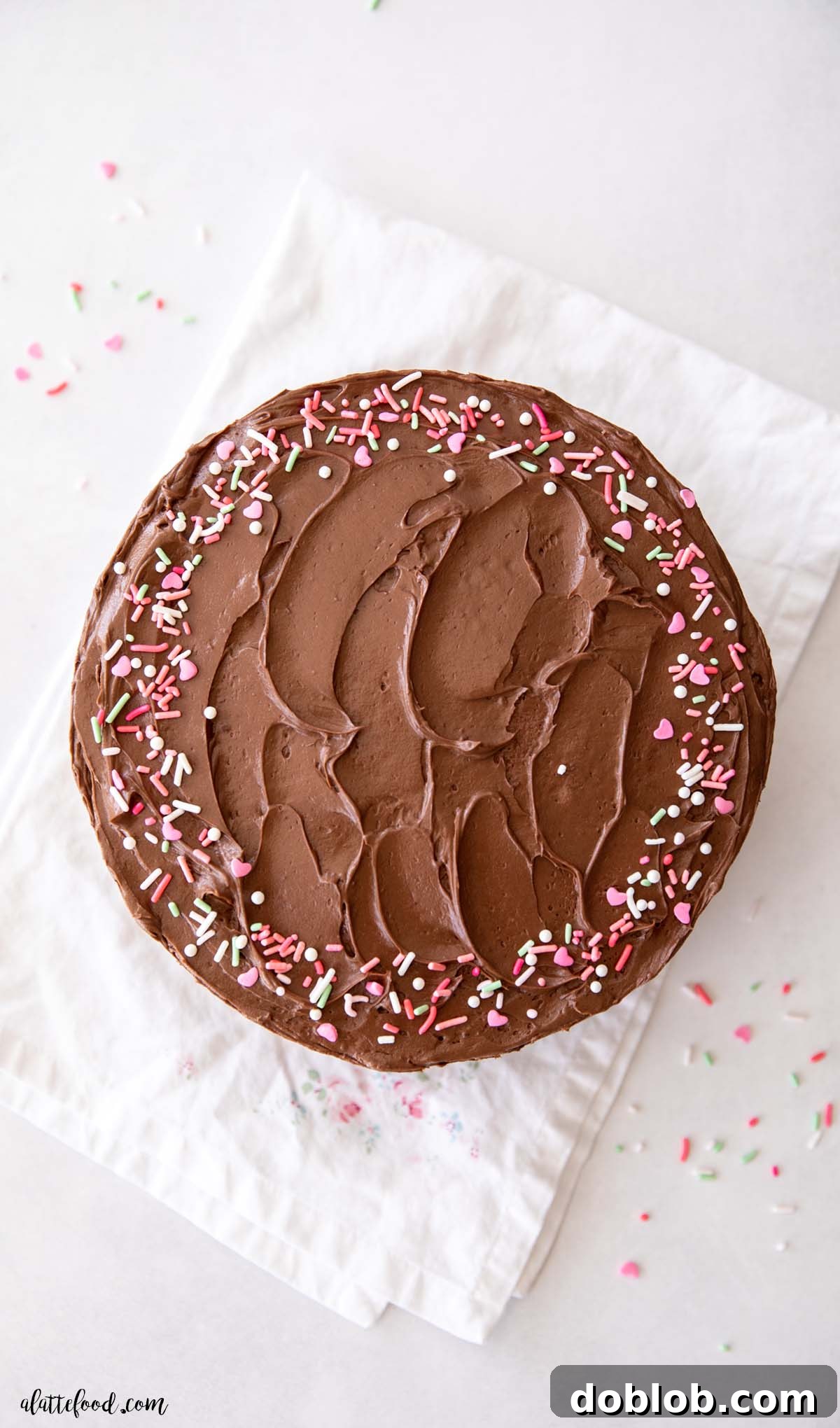
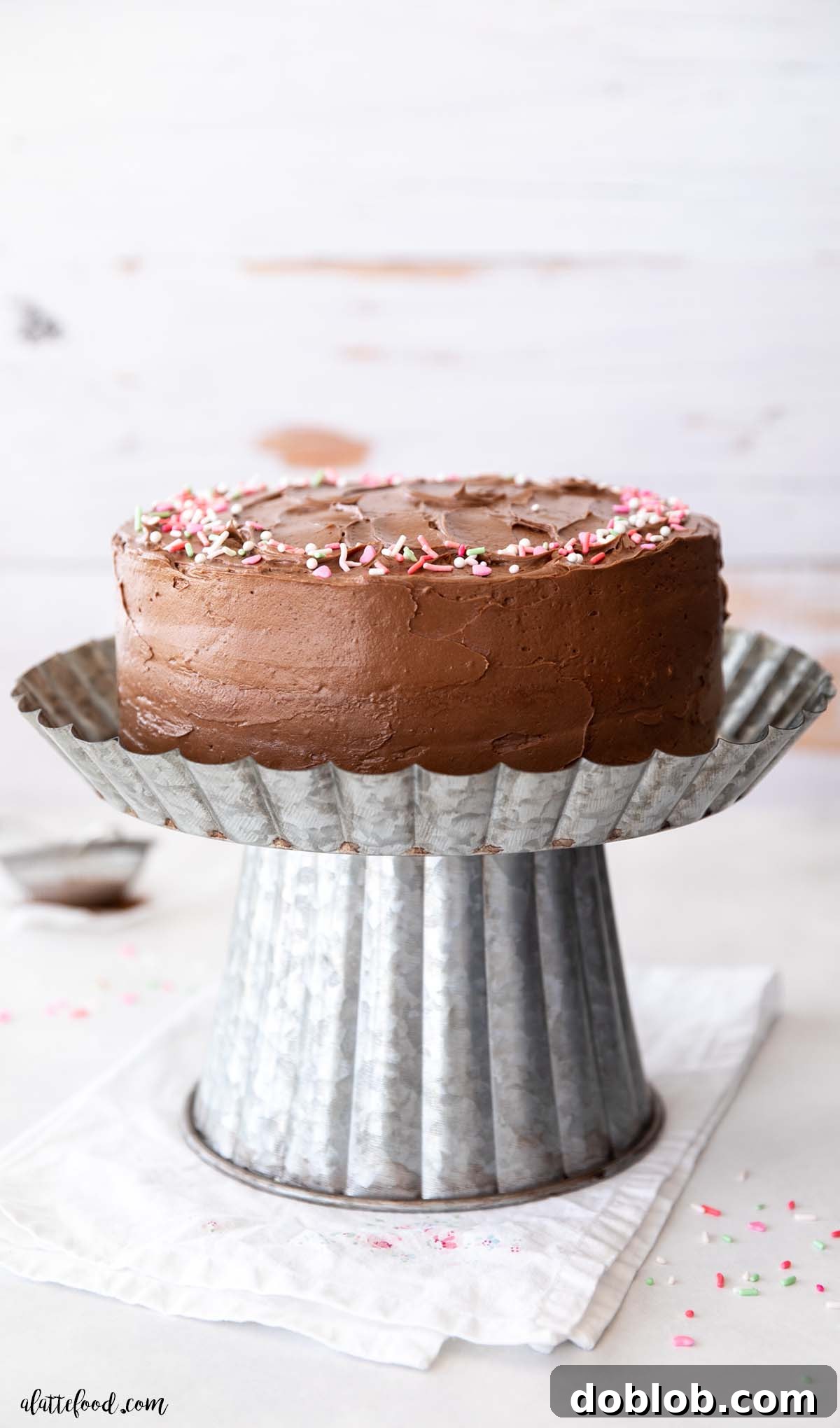
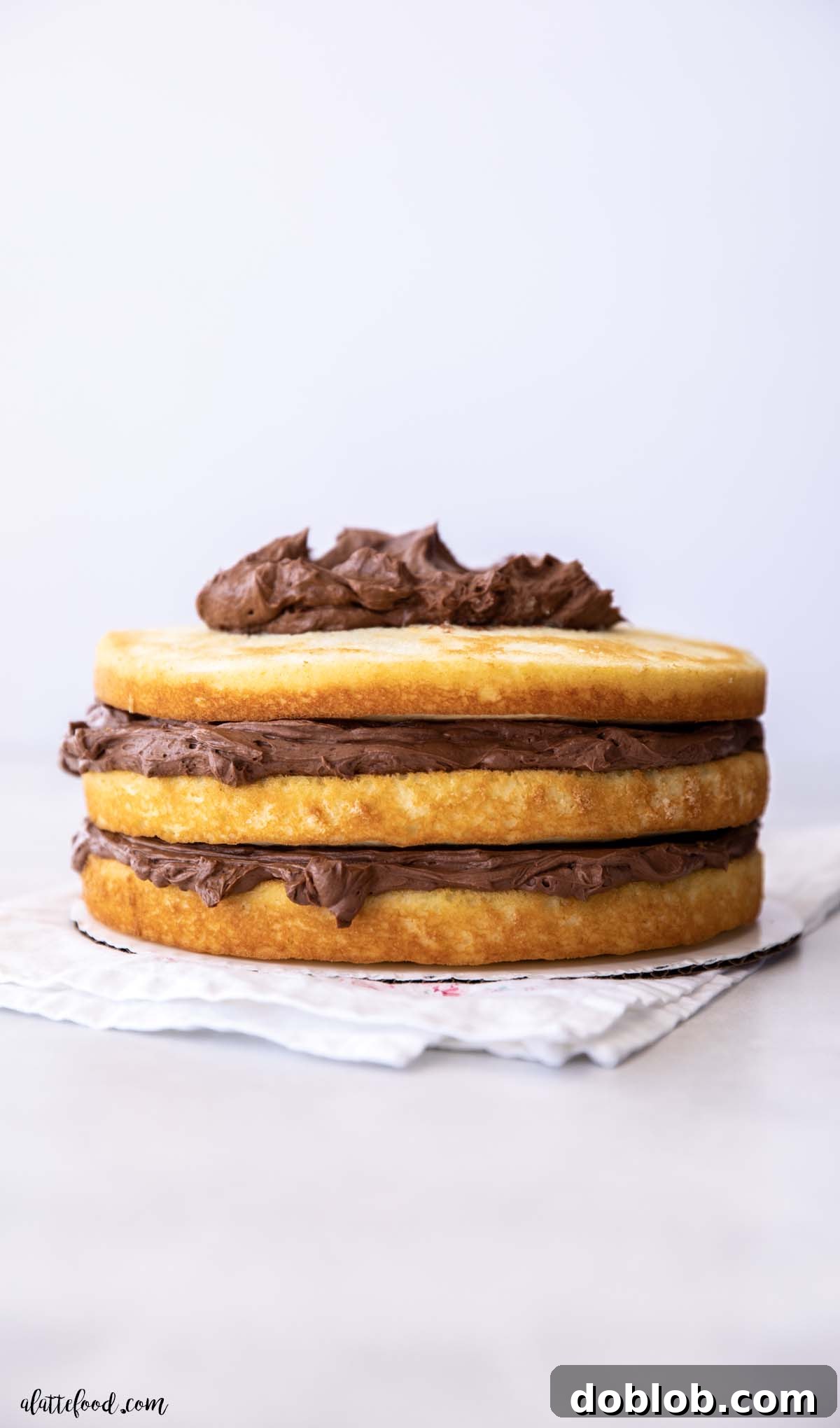
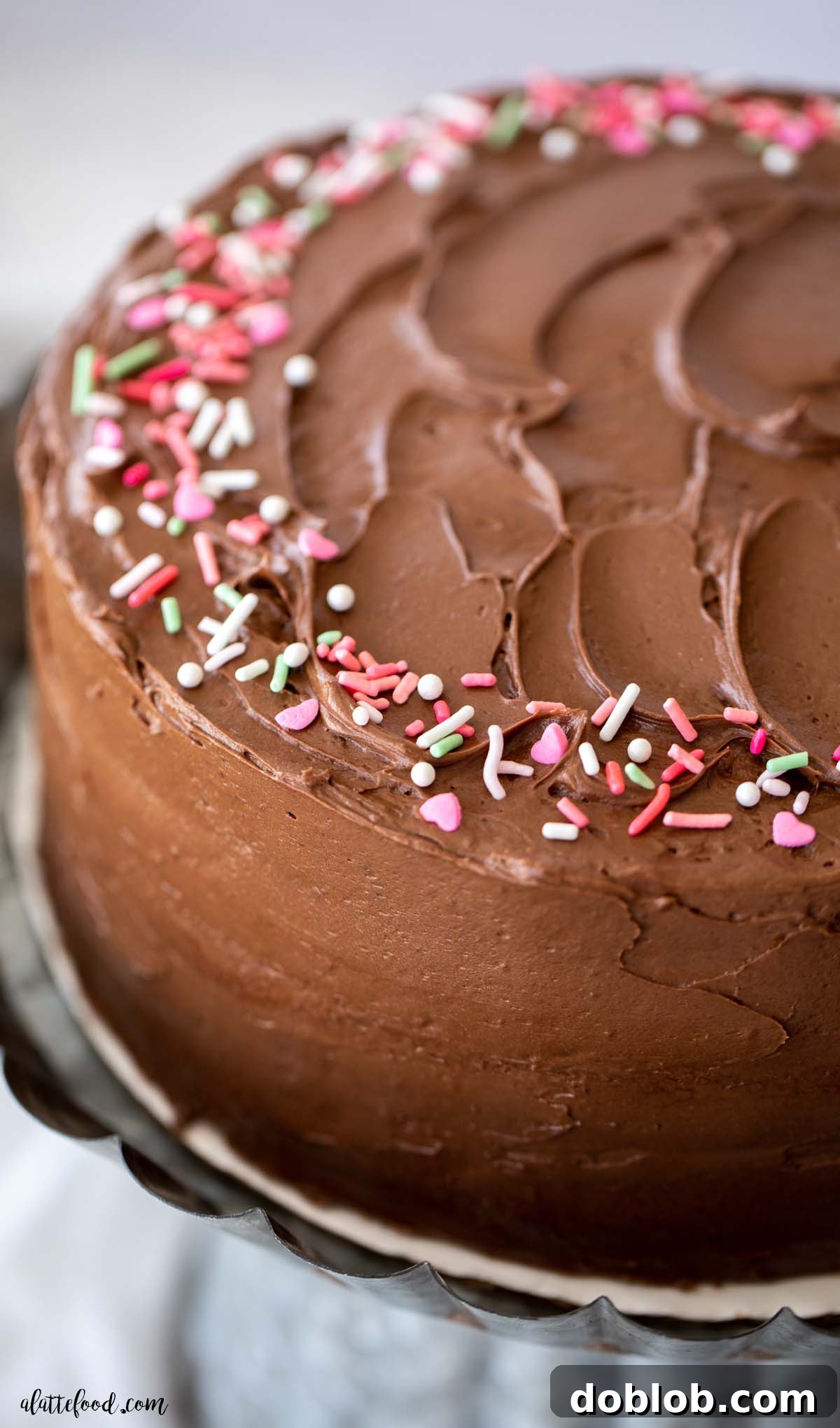
- Frosting and Assembly: While your cakes are cooling, prepare your decadent chocolate buttercream. Beat the room temperature butter until it’s light and fluffy. Gradually add the cocoa powder, powdered sugar, vanilla extract, salt, and optional espresso powder, mixing until smooth. Finally, incorporate the heavy cream, adjusting consistency with more powdered sugar (if too thin) or cream (if too thick). To assemble, place one cake layer on your serving plate, spread with about a third of the frosting, letting some spill over the edges for a rustic look. Repeat with the second layer. Place the final layer on top and use the remaining frosting to cover the top and sides, using the spilled-over frosting as a guide for easy side coverage. Finish with sprinkles if desired, then slice and serve this magnificent homemade creation. A crumb coat is optional but can help achieve a very neat finish.
Ensuring Longevity: Storage Tips for Your Magnificent Cake
To keep your yellow cake with chocolate frosting tasting fresh and delicious for as long as possible, proper storage is key:
- This cake maintains its excellent quality at room temperature for approximately 3-4 days. For optimal freshness, ensure it is stored in an airtight container or wrapped meticulously with plastic wrap to prevent it from drying out.
- If your kitchen is particularly warm, or if you live in a humid climate, it’s advisable to store the cake in the refrigerator to prevent the chocolate frosting from melting and losing its texture.
- However, a crucial tip: always allow a refrigerated cake to come to room temperature for at least an hour before serving. Cold cake tends to be dense, dry, and crumbly, whereas serving it at room temperature will restore its soft, fluffy texture and moistness, allowing its full flavor to shine.
Flexibility in the Kitchen: Smart Ingredient Substitutions
While sticking to the original recipe often yields the best results, sometimes you need a little flexibility. Here are some smart substitutions you can make without compromising too much on quality:
Cake Flour: As previously mentioned, cake flour is truly ideal for achieving that light, tender crumb. However, if you find yourself without it, you can create a suitable substitute using all-purpose flour and cornstarch. For this specific recipe, combine 2 2/3 cups of all-purpose flour with 1/3 cup of cornstarch, then sift them together thoroughly. This mixture will mimic many of cake flour’s properties, though the final texture might be slightly different.
Buttermilk: No buttermilk on hand? No problem! You can easily make a homemade version. Simply measure out 1 cup of 2% or whole milk and add a splash (about 1 tablespoon) of lemon juice or white vinegar. Give it a gentle stir and let it sit for 5-10 minutes until it slightly curdles. This acidity will act similarly to buttermilk in the recipe.
Almond Extract: I genuinely believe that almond extract is a non-negotiable ingredient for achieving that truly classic yellow cake flavor. It adds a subtle, almost indescribable depth that complements the vanilla beautifully without being overpowering. If you absolutely must skip it, you can substitute it with additional vanilla extract. For example, instead of 1/2 tsp almond extract and 2 tsp vanilla, you would use 2 1/2 tsp of vanilla extract in total.
Heavy Whipping Cream (for frosting): If heavy whipping cream isn’t available for your chocolate buttercream, you can use regular milk (whole milk works best for richness) or half-and-half as a substitute. Keep in mind that these alternatives may result in a slightly less rich and creamy frosting, so adjust consistency by adding more powdered sugar or liquid as needed.
Troubleshooting Common Cake Issues: Say Goodbye to Dry Cakes!
A dry, crumbly cake is every baker’s nightmare. Let’s explore the common culprits behind a less-than-perfect texture and how to avoid them, ensuring your yellow cake is always moist and tender:
- The Peril of Overmixing Batter: Electric mixers are an incredible convenience, but they can be a double-edged sword when it comes to cake batter. Overmixing is one of the quickest ways to develop too much gluten in the flour, leading to a tough, dry cake. To prevent this, always alternate adding your dry and wet ingredients in stages, mixing *just* until they are combined after each addition. Resist the urge to walk away from your mixer; paying close attention ensures you stop mixing at the precise moment the ingredients are incorporated. The more flour is mixed, the more gluten develops, which means a drier cake.
- Precision in Flour Measurement: Too much flour is another frequent cause of dry, dense cakes. It’s crucial to measure your ingredients accurately. Our best tip for measuring flour (and perhaps one of the most impactful baking tips ever!): Before scooping, aerate your flour by fluffing it with a spoon or gently scooping it into a measuring cup and dumping it back into its bag a few times. This loosens the flour considerably. Then, spoon the aerated flour into your measuring cup until it overflows, and level it off with the back of a knife or your finger. Never pack flour into the cup. This method ensures you’re adding the correct amount of flour, leading to a lighter cake.
- Never Skip Sifting Dry Ingredients: It might seem like an extra step, but sifting your dry ingredients (flour, baking powder, salt) makes a colossal difference. Sifting not only breaks up any lumps but, more importantly, it thoroughly aerates and lightens the flour. Lighter flour translates directly to a lighter, more ethereal cake texture. This simple action significantly contributes to the overall fluffiness of your finished product.
- The Art of Perfect Baking Time: When baking cakes or cupcakes from scratch, there’s a delicate balance between underbaking (resulting in a raw center) and overbaking (leading to a dry, crumbly texture). The key is to remove the cake from the oven as soon as it’s *just* done in the center—when a toothpick or cake tester inserted into the deepest part comes out clean or with a few moist crumbs attached, but no wet batter. Immediately after baking, allow the cakes to cool in their hot pans for only 5-10 minutes. This allows them to set slightly. Then, carefully remove them from the pans and transfer them to a wire cooling rack to cool completely. Leaving them in the hot pans for too long will cause them to continue cooking from residual heat, leading to overbaked edges.
- Pro Tip: The Simple Syrup Secret: If, despite your best efforts, you fear your cake might be slightly overbaked or on the drier side, a simple syrup can come to the rescue. To make it, combine equal parts water and granulated sugar in a small saucepan, then heat gently on the stove until the sugar is fully dissolved. Once cooled, use a toothpick or cake tester to poke small holes across the top surfaces of your cooled cake layers. Then, lightly brush the tops with a small amount of simple syrup (a little goes a long way!). This will infuse moisture back into the cake, keeping it tender and delicious. Any leftover simple syrup can be stored in the fridge for future use in drinks or other cakes.
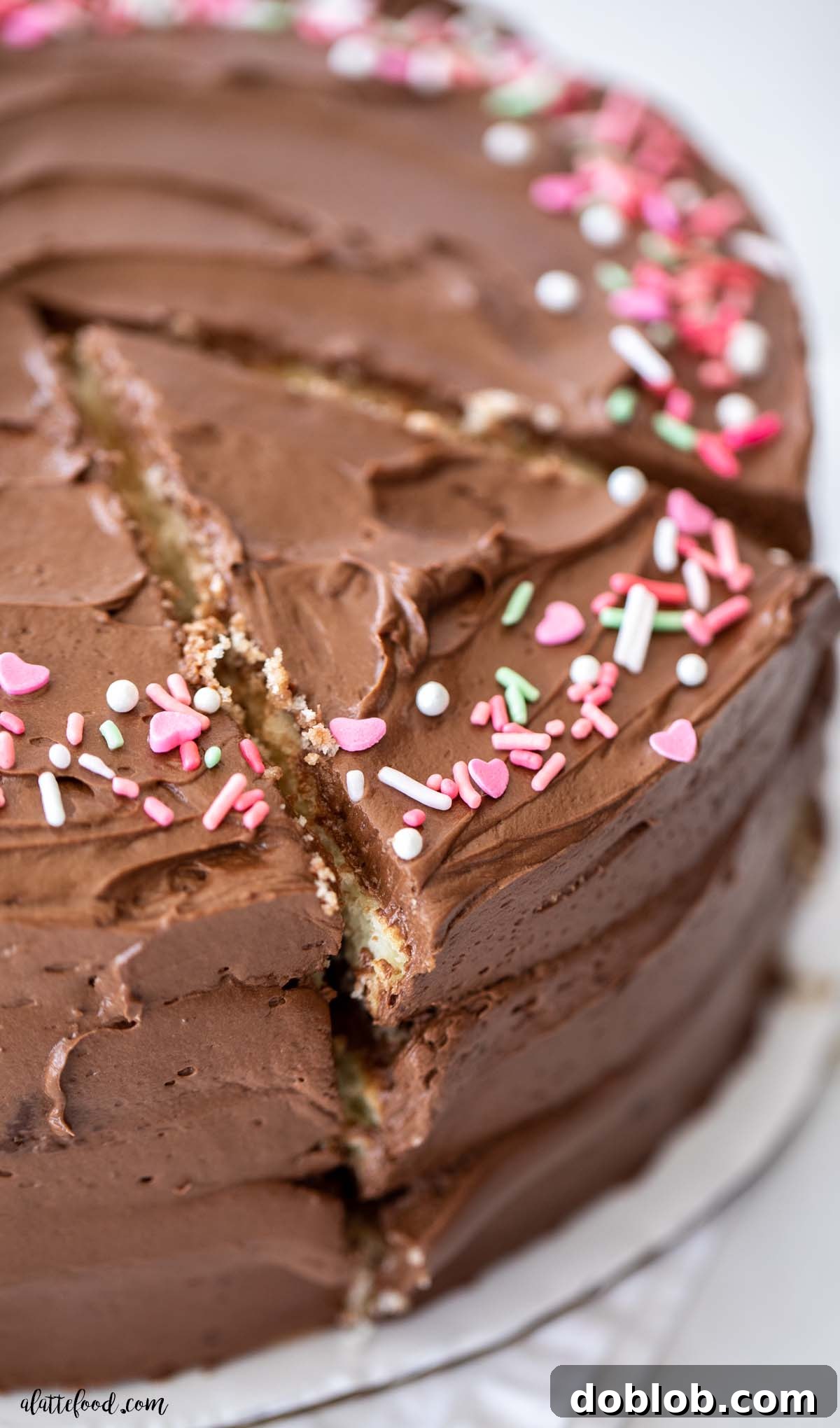
Yellow Cake Versus White Cake: Understanding the Subtle Nuances
While both yellow and white cakes are beloved classics, they possess distinct differences that go beyond just color. The primary distinction lies in their egg composition. A yellow cake, by definition, incorporates whole eggs, meaning both the yolks and whites are used in the batter. The vibrant pale yellow hue that gives the cake its name comes directly from these egg yolks.
In contrast, a white cake is meticulously crafted using only egg whites. This deliberate exclusion of yolks ensures a pristine white crumb, often contributing to a slightly lighter, airier texture. The presence of egg yolks in yellow cake also lends it a richer, often more buttery and subtly custardy flavor profile, which sets it apart from its white counterpart.
Unpacking the Rich Flavor Profile of a Classic Yellow Cake
What truly defines the taste of a perfect yellow cake? In my estimation, it’s a sophisticated blend of subtle yet distinct flavors. The foundation is a delightful interplay of creamy butter and fragrant vanilla extract. But the true magic, the element that elevates it to iconic status, is just a hint of almond extract. This addition isn’t overpowering; rather, it provides a nuanced depth that rounds out the overall flavor, making it incredibly satisfying and memorable.
Because yellow cake is made with whole eggs and a generous amount of butter, it acquires more than just its characteristic “yellow” color. These ingredients contribute to a rich, buttery taste with a delicate, almost custardy undertone. This combination of buttery sweetness, complemented by the warm notes of vanilla and the subtle complexity of almond, is precisely why this particular recipe stands out as my ultimate favorite yellow cake. It’s a flavor that speaks of comfort, celebration, and pure baking joy.
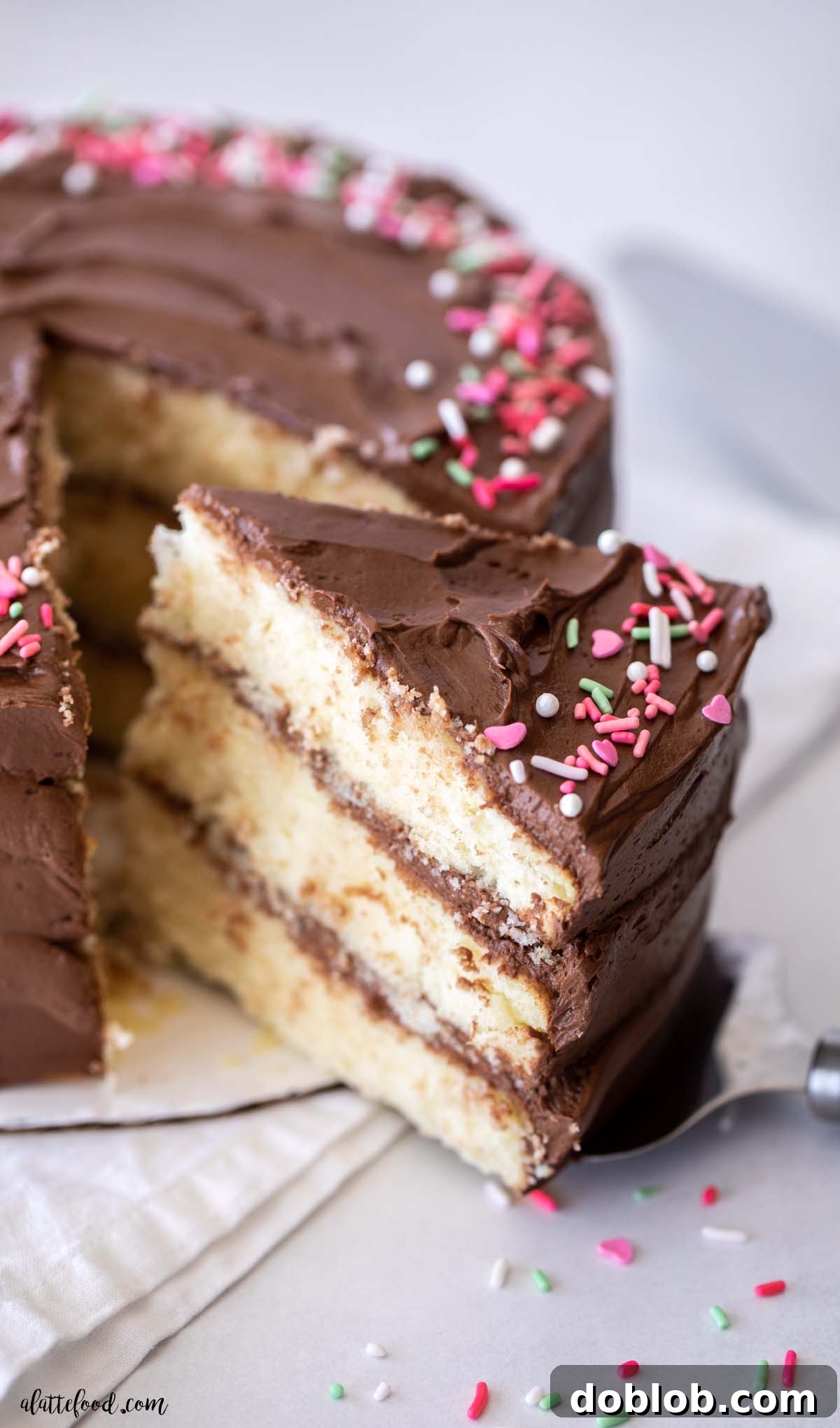
Essential Baking Wisdom: Quick Tips for Consistent Success
Achieving a consistently perfect yellow cake is simpler than you might think when you keep these key baking tips in mind:
- The Dynamic Duo: Butter and Oil: For a cake that excels in both flavor and moisture, the combination of butter and oil is non-negotiable. Butter is irreplaceable for its rich, authentic taste, imparting a depth of flavor that no other fat can replicate. Oil, on the other hand, is the ultimate contributor to moisture, ensuring a tender, never-dry crumb. Together, they create a cake that is truly the best of both worlds—moist, flavorful, and irresistible.
- Always Sift Your Dry Ingredients: This seemingly small step has a monumental impact. Sifting flour, baking powder, and salt together not only removes lumps but, more importantly, aerates the ingredients. This aeration results in a significantly lighter and fluffier cake texture, giving your finished product that coveted delicate crumb.
- Embrace Room Temperature Ingredients: This tip is crucial for proper emulsion and a smooth, cohesive batter. Cold ingredients, or ingredients at vastly different temperatures, will resist incorporating evenly. When all components are at room temperature, they blend together seamlessly, creating a uniform batter that bakes into a perfectly textured cake.
- Serve at Room Temperature for Optimal Enjoyment: While storing your cake in the refrigerator might be necessary, especially in warm climates, remember that cold cake can often be dry and firm. The chill tends to tighten the cake’s structure and diminish its perceived moisture. For the best experience, allow your cake to sit at room temperature for at least an hour before serving. This gentle warming will bring it back to its intended soft, fluffy, and wonderfully moist state, unlocking its full flavor potential.
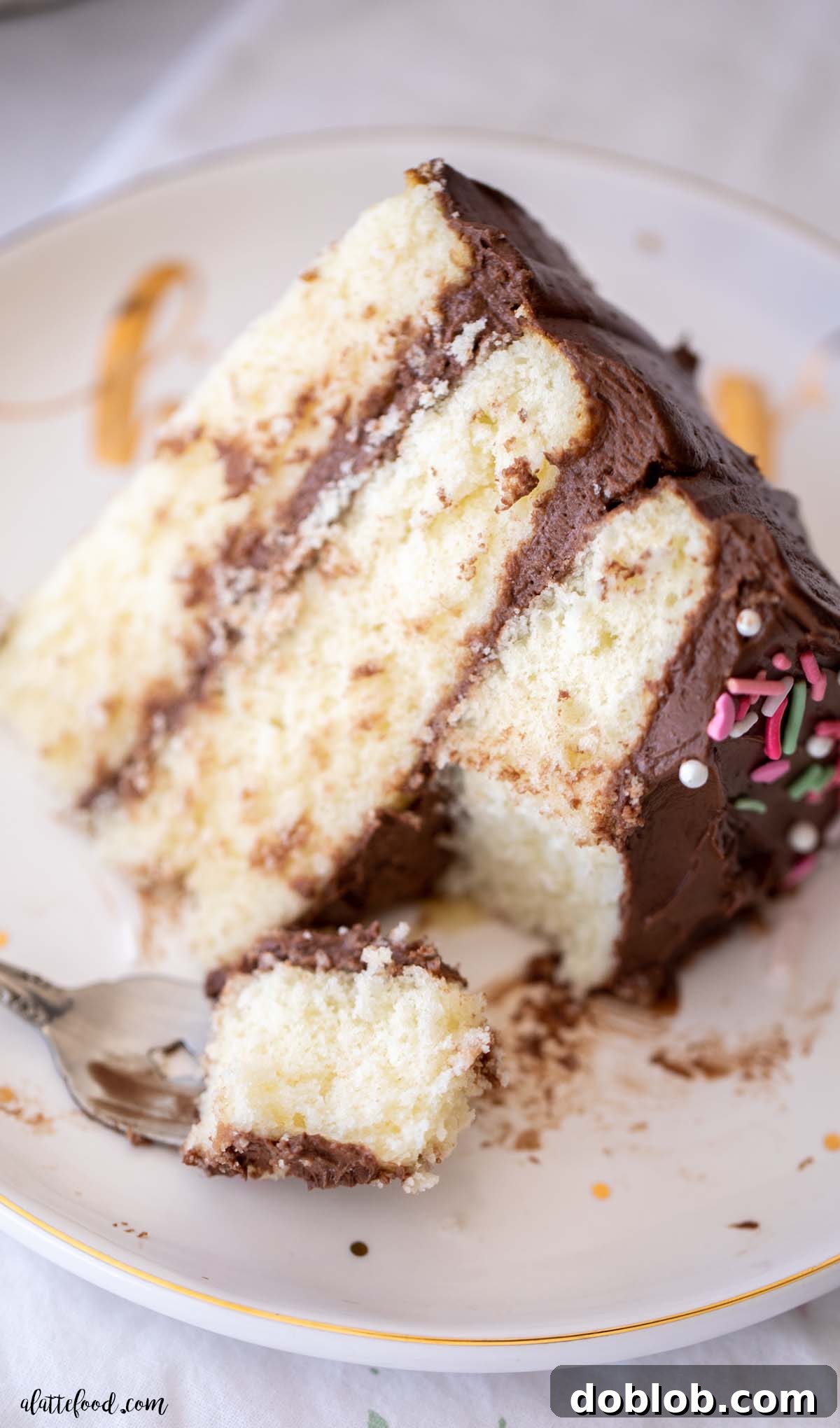
Creating this homemade Yellow Cake with Chocolate Frosting is more than just baking; it’s an act of love, a connection to timeless traditions, and a guarantee of delicious joy. With its perfect balance of flavors and textures, this recipe promises to be a staple in your kitchen for years to come. Gather your ingredients, follow these steps with confidence, and prepare to indulge in a truly spectacular dessert that embodies comfort and celebration.
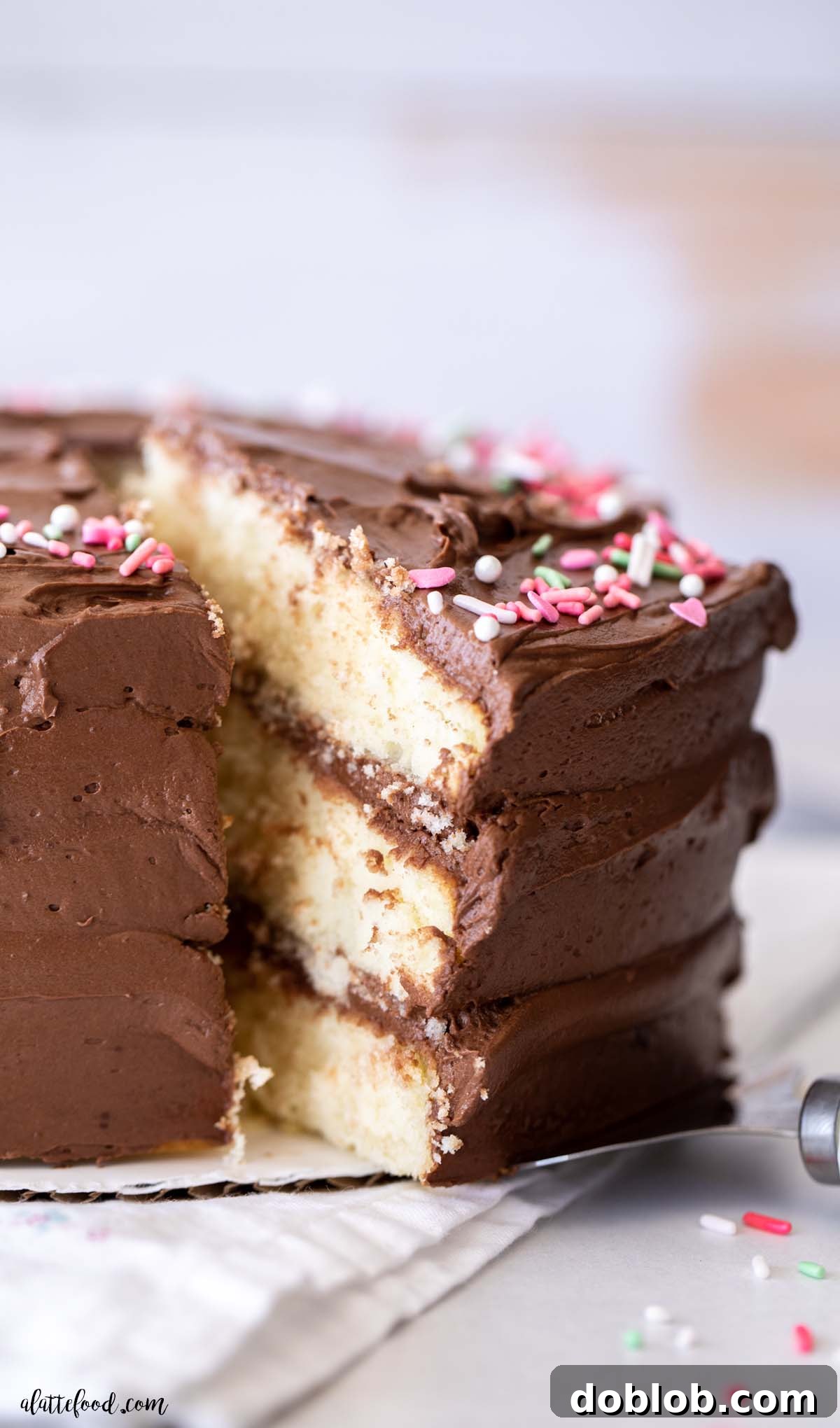
Yellow Cake with Chocolate Frosting
Ingredients
Yellow Cake
- 3/4 cup unsalted butter, softened to room temperature
- 1/4 cup vegetable, or canola oil
- 1 1/2 cups granulated sugar
- 4 eggs
- 3 cups cake flour
- 2 1/2 tsp baking powder
- 3/4 tsp salt
- 1 cup buttermilk
- 2 tsp vanilla extract
- 1/2 tsp almond extract
- 2 1/2 Tbsp sour cream
Chocolate Buttercream Frosting
- 1 cup unsalted butter, room temperature
- 3/4 cup cocoa powder
- 2 2/3 – 3 cups powdered sugar
- 1/4 tsp salt, or more to taste
- 1/2 tsp espresso powder, optional
- 4-5 Tbsp heavy whipping cream.
Instructions
Yellow Cake
-
Preheat oven to 350 degrees F (175 C). Grease 3 (9-inch) circular cake pans well. Set aside.
-
Beat unsalted butter and oil together in a large bowl, until light and fluffy (about 1-2 minutes).
-
Add in granulated sugar, and beat again until light and fluffy.
-
Add in the eggs, one at a time, beating well after each addition.
-
In a separate bowl, sift together cake flour, baking powder, and salt.
-
Alternately add the dry ingredients and the buttermilk to the butter mixture, beginning and ending with dry ingredients. Mix until *just* combined after each addition (e.g., add 1/3 flour mixture, mix; next add 1/2 buttermilk, mix, etc.). Avoid overmixing.
-
Add in vanilla extract, almond extract, and sour cream. Mix until just combined (overmixing can lead to a dry cake).
-
Divide the batter evenly between the 3 cake pans. Spread batter in an even layer, then tap the cake pans gently on the counter a few times to remove any air bubbles.
-
Bake for about 18-20 minutes, or until a toothpick or cake tester inserted into the center comes out clean.
-
Cool for about 5-10 minutes in the pans, then carefully remove the cakes from the pans and allow them to cool completely on a wire cooling rack.
Chocolate Frosting (Chocolate Buttercream)
-
With a mixer, cream the room temperature butter until it is light and fluffy (about 1-2 minutes).
-
Next, add in cocoa powder and 2 2/3 cups of powdered sugar, and mix until well combined and smooth.
-
Add in salt and espresso powder (if using), and mix until combined.
-
Add in 4 Tbsp of heavy whipping cream, and mix until the frosting is light and fluffy.
-
If the frosting feels too thin, gradually add in the remaining 1/3 cup of powdered sugar. If it feels too thick, add in the remaining 1 Tbsp of heavy whipping cream until desired consistency is reached.
Assembly
-
Place one cooled cake layer on a plate or cake stand and top with 1/3 of the chocolate frosting. Spread the frosting in an even layer over the cake, all the way to the edge (allowing some to spill over the sides for a rustic look).
-
Carefully place the middle layer on top, and repeat the frosting process.
-
Finally, add the top layer. Use the remaining frosting to generously cover the top and sides of the cake. The frosting that spilled from the lower layers will make it easier to frost the sides smoothly.
-
Top with festive sprinkles, if desired, for an extra touch of celebration.
-
Slice and serve your magnificent cake. Store any leftovers in an airtight container to maintain freshness.
Notes
*If you don’t have cake flour, you can use a combination of all-purpose flour and cornstarch. For this recipe, the measurements would be: 2 2/3 cups all-purpose flour + 1/3 cup cornstarch. Sift the flour and cornstarch together thoroughly before using.
The nutrition facts provided are calculated using a third-party tool and are estimates only. Actual nutritional content may vary based on the ingredients and brands you use, as well as portion sizes. For accurate results, please consult a registered dietitian or nutritionist.
Make sure to tag me on Instagram and leave a rating below and let me know how it turned out!

Updated 2024.
Here are some other delightful recipes to try next:
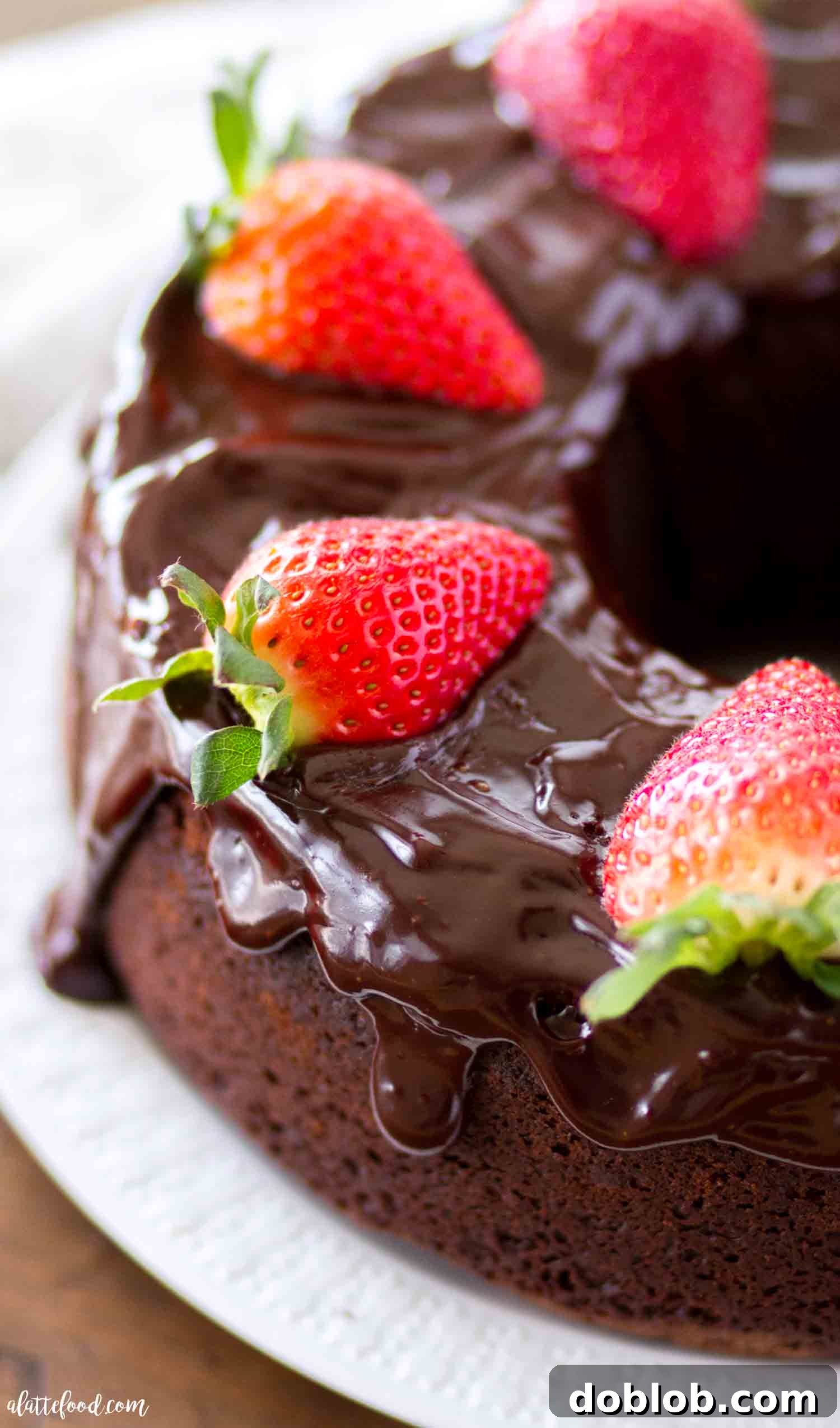
Chocolate Pound Cake
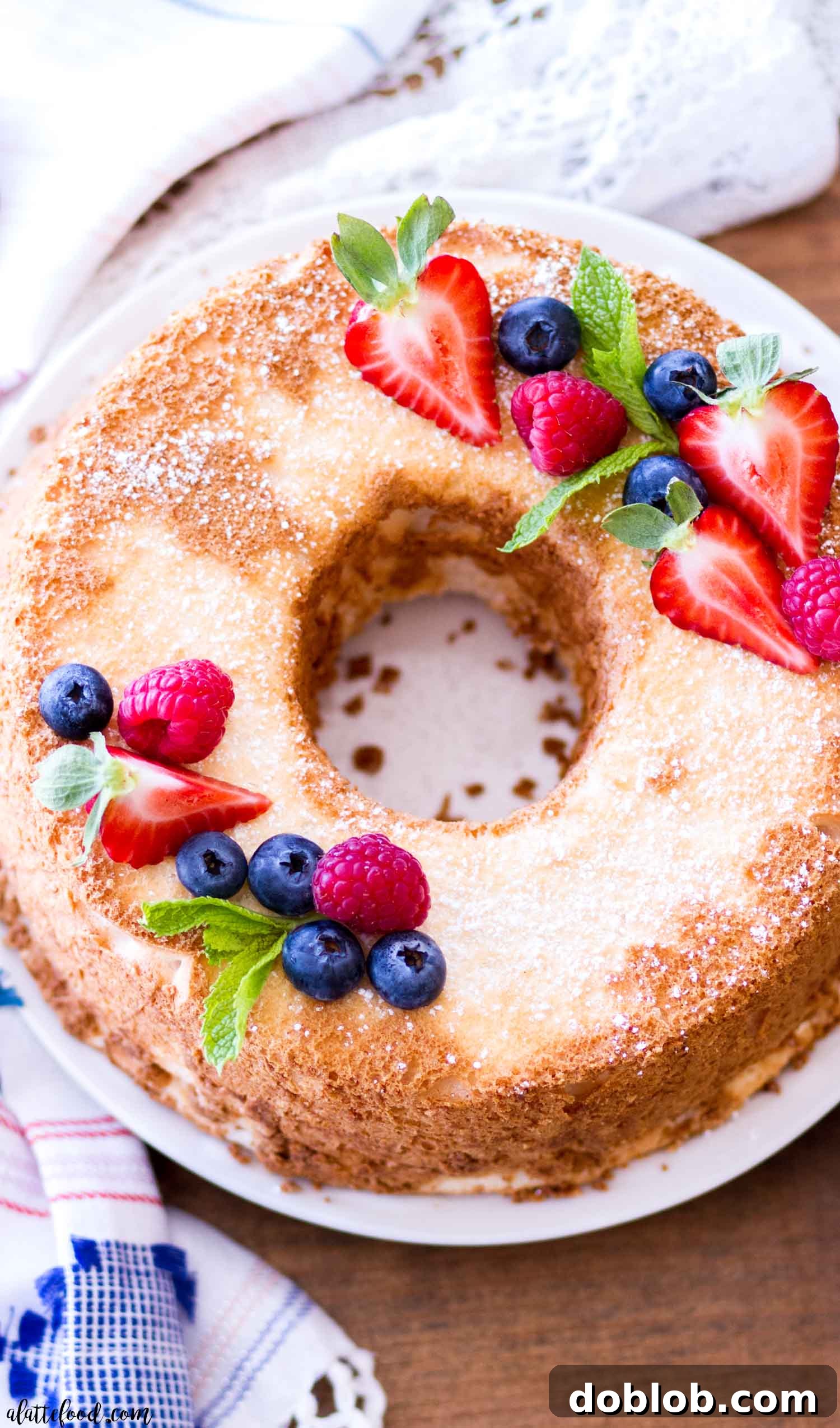
Angel Food Cake
Raspberry Bundt Cake